Blog ·
Landscape Design Principles for Commercial Properties
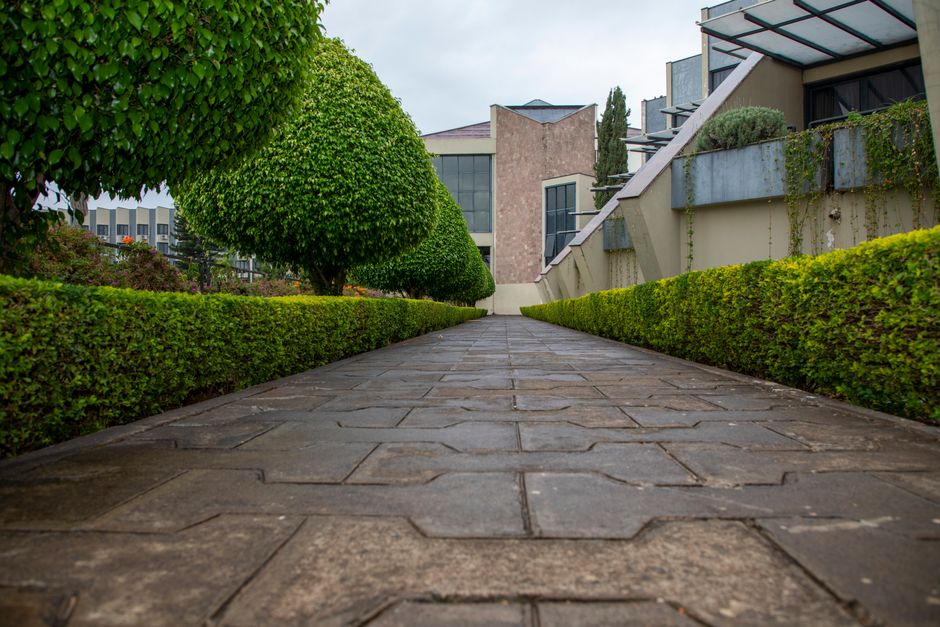
Creating Functional Beauty
Effective commercial landscape design balances aesthetic appeal with practical functionality. Your grounds must accommodate employee and visitor movement while maintaining attractive planting areas and hardscape features. Strategic design ensures that decorative elements do not interfere with property operations or create maintenance challenges.
Site Analysis and Planning
Professional landscape design begins with thorough site analysis. Designers evaluate sun exposure, wind patterns, soil conditions, drainage characteristics, and existing utilities. Understanding these factors ensures that plant selections will thrive in their intended locations and hardscape installations will not encounter buried obstacles or drainage problems.
Traffic flow analysis is essential for commercial properties. Landscaping should guide movement along safe, defined pathways while protecting planting beds from foot traffic damage. Proper pathway design reduces maintenance costs by preventing turf damage from constant wear and compaction.
Plant Selection Strategy
Successful commercial landscapes feature plants suited to your specific climate and soil conditions. Native species require less water, fertilizer, and pest management than non-native alternatives. Strategic plant placement reduces maintenance demands while improving visual interest throughout the seasons.
Consider bloom times and foliage colors year-round. Properties with varied planting schedules maintain visual interest in spring, summer, fall, and winter. Evergreen plantings provide year-round structure and color, ensuring your property looks professional in all seasons.
Hardscape Elements
Pavement, patios, retaining walls, and decorative features define your landscape's character and functionality. Quality hardscape installation prevents water accumulation, provides safe walking surfaces, and creates defined spaces for various activities. Professional installation ensures durability and proper drainage integration with surrounding landscapes.
Maintenance Accessibility
Superior landscape design considers long-term maintenance requirements. Planting beds should be sized and shaped for efficient maintenance equipment access. Mulch barriers separate plantings from turf areas, reducing maintenance labor and protecting both areas from damage.
Professional Implementation
- Comprehensive site analysis before design development
- Plant selection based on specific growing conditions and climate
- Sustainable design practices reducing water and chemical needs
- Proper grading and drainage integration
- Quality hardscape installation and durable materials
Professional landscape design transforms your property into an asset that enhances your business image, improves operational efficiency, and provides long-term value. Expert designers balance visual appeal with practical functionality to create landscapes that perform beautifully for years.